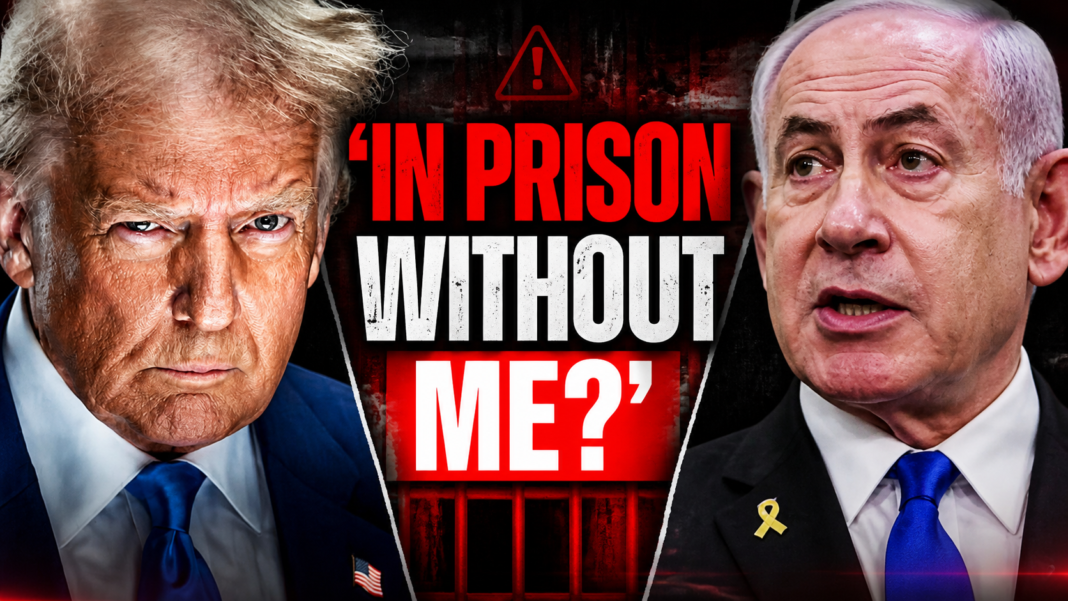

President Donald Trump was reported to have told Israeli Prime Minister Benjamin Netanyahu that he would be “in prison” without Trump’s support during a heated June 1 phone call over Israel’s military actions in Lebanon.
The reported remark surfaced as Trump was trying to restrain further Israeli escalation and prevent the conflict from widening at a moment of intense regional instability. According to accounts based on officials familiar with the exchange, Trump was furious with Netanyahu and viewed Israel’s actions as a threat to broader American strategic goals in the Middle East.
In that context, the “in prison” comment was widely understood as a reference to Netanyahu’s long-running legal troubles in Israel and as an assertion that Trump’s backing had helped keep him politically afloat. The significance of the confrontation went beyond personal animosity, because it suggested a deeper rupture between two leaders who have long publicly portrayed themselves as close allies.
The episode also indicated that Trump’s support for Netanyahu may have limits when Israeli military decisions risk undermining Washington’s diplomatic agenda. That is what made the reported exchange especially newsworthy: it pointed to a relationship defined not only by alliance, but by leverage, pressure and conditional support.
The story gained additional force after follow-up reporting said Trump later confirmed he had called Netanyahu “crazy” and had told him he kept him out of jail. Even so, no public transcript or recording of the call has been released, meaning the most explosive details still rest on reported accounts and later confirmation claims.
For Netanyahu, the episode is politically sensitive because it links the war in Lebanon, his domestic standing and the corruption case that has shadowed his leadership for years. For Trump, it reinforces the image of a president who treats U.S. leverage in highly personal and transactional terms, especially in dealings with allies under pressure.